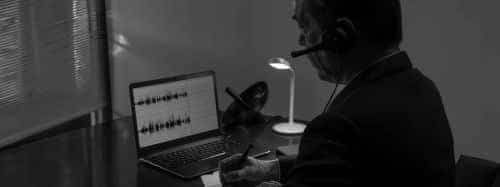
People often ask whether they can record a phone call, Zoom meeting, or in-person conversation in Massachusetts. The short answer is usually no—at least not without the other person’s knowledge and consent. Massachusetts has one of the strictest wiretapping laws in the country.
This post explains the law in clear terms, covers the most common questions people have, and outlines what happens if you are accused of illegally recording someone.
Is Wiretapping Illegal in Massachusetts?
Yes. Under Massachusetts General Laws Chapter 272, Section 99, it is a crime to intercept (secretly hear or record) oral or wire communications. The offense is often called “interception of oral communications” or simply wiretapping.
It is a felony. A conviction can result in up to five years in state prison, up to 2½ years in the House of Correction, a fine of up to $10,000, or both a fine and a jail or prison term. A person cannot be sentenced to both prison and House of Correction time for the same offense.
Can I Record a Phone Call Without the Other Person’s Consent?
No. Massachusetts is a strict two-party (or all-party) consent state. You generally may not secretly record a telephone conversation, video call, or other private communication unless every party to the conversation knows about the recording and consents to it.
This rule applies to cell phones, landlines, and most electronic communications. Simply having a phone that can record does not make secret recording legal. Ordinary telephones and cell phones themselves are not illegal “devices,” but using them (or any other equipment) to secretly intercept a private conversation can still violate the statute.
For related issues involving phones and privacy, see my post on cell phone privacy.
What Must the Commonwealth Prove?
To convict someone of wiretapping, the Commonwealth must prove three main elements beyond a reasonable doubt:
- The defendant used a device to hear, record, or help another person hear or record an oral or wire communication.
- The interception was done secretly.
- The interception was done willfully (intentionally and by design, not by accident).
“Willfully” means the person acted intentionally. Accidental or purely thoughtless recording does not meet this requirement. For more on how intent is analyzed, see criminal intent.
Key Definitions Under the Statute
Device: Any machine or equipment that transmits, receives, amplifies, or records a wire or oral communication. Ordinary telephones, cell phones, and hearing aids are generally excluded from the definition of an illegal device, but the way they are used still matters.
Oral communication: Spoken words.
Wire communication: Communications transmitted by wire, cable, or similar connection.
Secretly: The person being recorded is not aware or put on notice that the conversation is being heard or recorded. If someone has no reasonable expectation of privacy (for example, speaking loudly in a crowded public place), the “secretly” element may not be met.
Record: Setting words down in writing or capturing sound or images in electronic form.
Common Situations That Raise Wiretapping Issues
Modern technology makes accidental or intentional violations easier than ever. Common scenarios include:
- Recording a phone call or FaceTime/Zoom conversation without telling the other party.
- Using a voice-memo app or hidden recorder during an in-person meeting or argument.
- Leaving a phone on “record” in a bag or pocket during a conversation.
- Employers, landlords, or private investigators using recording equipment without proper consent or legal authority.
Even if the recording is never shared or used in court, the act of secretly intercepting the communication can still be a crime.
Possible Defenses
Every case is fact-specific. Possible defenses or challenges include:
- The equipment used does not qualify as a “device” under the statute.
- The other person had no reasonable expectation of privacy.
- The recording was not done secretly (the person knew or was on notice).
- The interception was not willful (it was accidental).
- A statutory exception applies (for example, certain law-enforcement warrants, some office intercom systems, or specific financial-institution recordings).
The statute also covers related conduct such as disclosing illegally obtained recordings, possessing certain prohibited devices, and tampering with judicial recordings. In addition, a person whose communications were illegally intercepted may have a civil cause of action against the person who did the recording.
Related Conduct
Wiretapping charges sometimes overlap with other allegations, such as harassing or obscene telephone calls or disputes involving electronic communications. The facts of each situation determine which charges, if any, may apply.
Practical Advice
If you want to record a conversation in Massachusetts, the safest course is to obtain clear consent from every participant beforehand and, when possible, confirm that consent on the recording itself. If you believe someone has illegally recorded you, or if you are being investigated or charged with wiretapping, speak with an experienced criminal defense attorney promptly. Early advice can make a significant difference in how the case is handled.
If you or a loved one has been charged with wiretapping or a related recording offense and need an experienced criminal defense lawyer, contact Attorney William J. Barabino.
Call 781-393-5900 to discuss your case and available defenses.
Related Posts