Massachusetts’ highest court has approved a model jury instruction on implicit bias for use in all criminal and civil trials across the Commonwealth. This development is an important step toward ensuring that every person who faces a jury receives a fairer hearing.
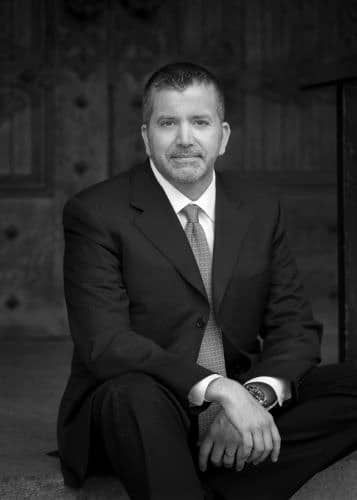
After the new instruction was published, Massachusetts Lawyers Weekly sought Attorney William J. Barabino’s input on the language and its practical impact. In comments published by the paper, Attorney Barabino described the instruction as “sophisticated” and “well-written,” noting that it makes both judges and jurors think more deeply about bias. He particularly highlighted the power of having the judge—the authority figure in the courtroom—acknowledge the existence of bias as part of the formal instructions given to the jury.
That consultation underscores the practical importance of the instruction and the attention it received from the defense bar once the courts moved to address unconscious bias in the jury system.
What Is a Jury Instruction?
In every case in which a jury is selected (impaneled), the judge reads a set of formal statements known as jury instructions. These instructions tell the jurors how they must approach the evidence, how they should deliberate, and what legal rules govern their decision.
Jury instructions typically cover:
- The specific elements of the crime or civil claim that must be proved
- Definitions of legal terms such as “intent,” “possession,” or “beyond a reasonable doubt”
- The burden of proof and who carries it
- Rules about how jurors must conduct themselves during the trial and in the deliberation room
The purpose of these instructions is to guide the jury so that its verdict rests on the evidence and the law rather than on personal assumptions, sympathy, or prejudice. Lawyers frequently file written requests for particular instructions, and disputes over the wording of instructions can become significant issues on appeal. Massachusetts maintains official model (or pattern) jury instructions that most judges and lawyers treat as the starting point for what is properly given to a jury.
What Is Implicit Bias?
Implicit bias refers to attitudes or stereotypes that affect a person’s understanding, actions, and decisions in an unconscious manner. Unlike explicit bias—which a person knows they hold and may openly express—implicit bias operates outside of conscious awareness. It often develops from life experiences, cultural messages, and repeated associations.
A simple illustration: A hiring manager who deliberately refuses to interview candidates of a certain background is acting on explicit bias. A hiring manager who unconsciously rates identical résumés lower when the name suggests a particular ethnicity is acting on implicit bias. The second manager may sincerely believe they are being fair, yet the outcome is still skewed.
Why Did the Courts Adopt an Implicit-Bias Instruction?
The legal system places a high value on fairness, especially in criminal cases where a conviction can result in loss of liberty. Unconscious assumptions about race, ethnicity, gender, socioeconomic status, or other characteristics can quietly influence how jurors evaluate credibility, interpret evidence, or decide guilt or innocence.
Recognizing this risk, the Supreme Judicial Court approved a model instruction grounded in scientific research. The instruction is designed to make jurors aware of the possibility of unconscious bias and to give them concrete strategies for minimizing its effect.
What the New Instruction Says and How It Applies
The instruction is intended for use in both criminal and civil trials throughout Massachusetts. Judges are encouraged to give portions of it both before the presentation of evidence and again at the close of the case, so that the concepts remain fresh during deliberations.
In substance, the instruction:
- Emphasizes the fundamental importance of fairness in the justice system
- Explains what implicit bias is in accessible language
- Offers practical strategies jurors can use, including: slowing down before making decisions; keeping an open mind until all evidence is heard; listening carefully; focusing on the individual rather than on group stereotypes; and considering whether the evidence might be viewed differently by people from other backgrounds
Because the instruction is now part of the model set used statewide, defense counsel can and should request that it be given in any case in which concerns about unconscious bias are present. Its consistent use helps create a more level playing field for defendants of every background.
How Else Is Bias Addressed in the System?
Bias concerns do not end with jury instructions. Massachusetts Sentencing Guidelines require judges to perform a “bias check” before imposing sentence. Judges are asked to consider whether bias may be influencing their decisions, whether they are acting under time pressure or stress, and whether their conclusions are supported by the evidence rather than by unexamined assumptions.
In short, the courts have recognized that fairness requires ongoing attention to both conscious and unconscious influences at every stage of a criminal case.
What Defense Attorneys Can Do
Experienced defense counsel have several tools to protect clients from the effects of bias:
- Request the implicit-bias instruction and ensure it is given both before and after the evidence.
- Move to suppress evidence obtained through stops or searches that appear driven by discriminatory assumptions.
- Challenge biased jurors for cause during jury selection, and carefully monitor the use of peremptory challenges.
- Preserve issues for appeal or a new-trial motion if evidence later emerges that a juror harbored prejudice based on race, ethnicity, or other improper characteristics.
For related discussion of how juries operate, see my posts on what a jury sees and what happens when a jury cannot agree.
The adoption of a statewide implicit-bias instruction, and the subsequent attention it received—including Massachusetts Lawyers Weekly seeking Attorney Barabino’s comments after publication—reflects a serious institutional effort to improve the fairness of trials. Defendants and their families should know that these tools exist and that experienced counsel will use them.
If you or a loved one has been charged with a crime and need an experienced criminal defense lawyer to protect your rights, contact Attorney William J. Barabino.
Call 781-393-5900 to discuss your case and available defenses.
Related Posts